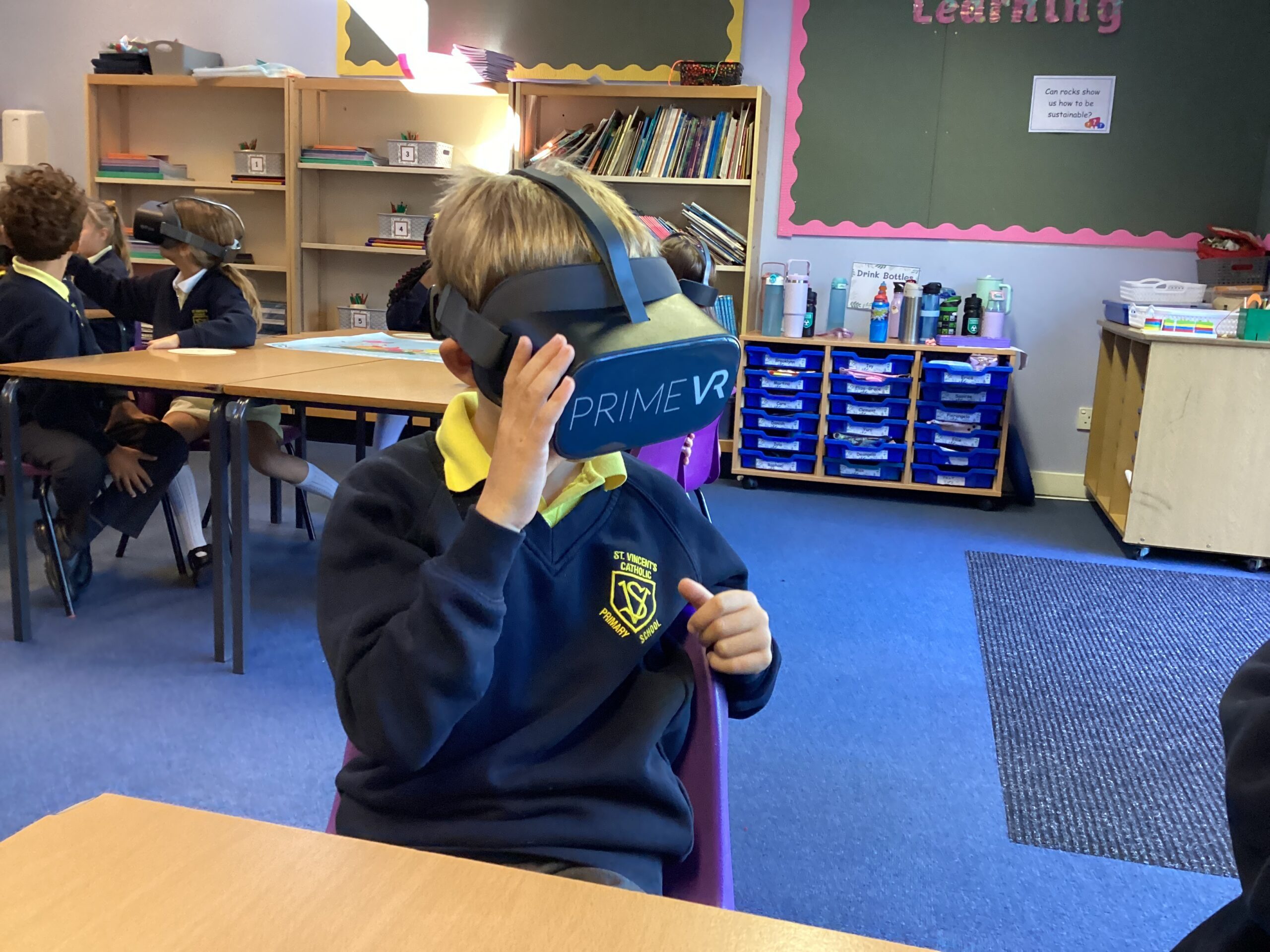
This term, Lower Key Stage Two have launched their new project “Can rocks show us how to be sustainable?” with two exciting and immersive experience days. Over the two days, the children took part in a variety of hands-on activities exploring volcanoes, earthquakes, rock formation, and the layers of the Earth. These activities really brought science to life and sparked lots of curiosity for our learning ahead.
Layers of the Earth
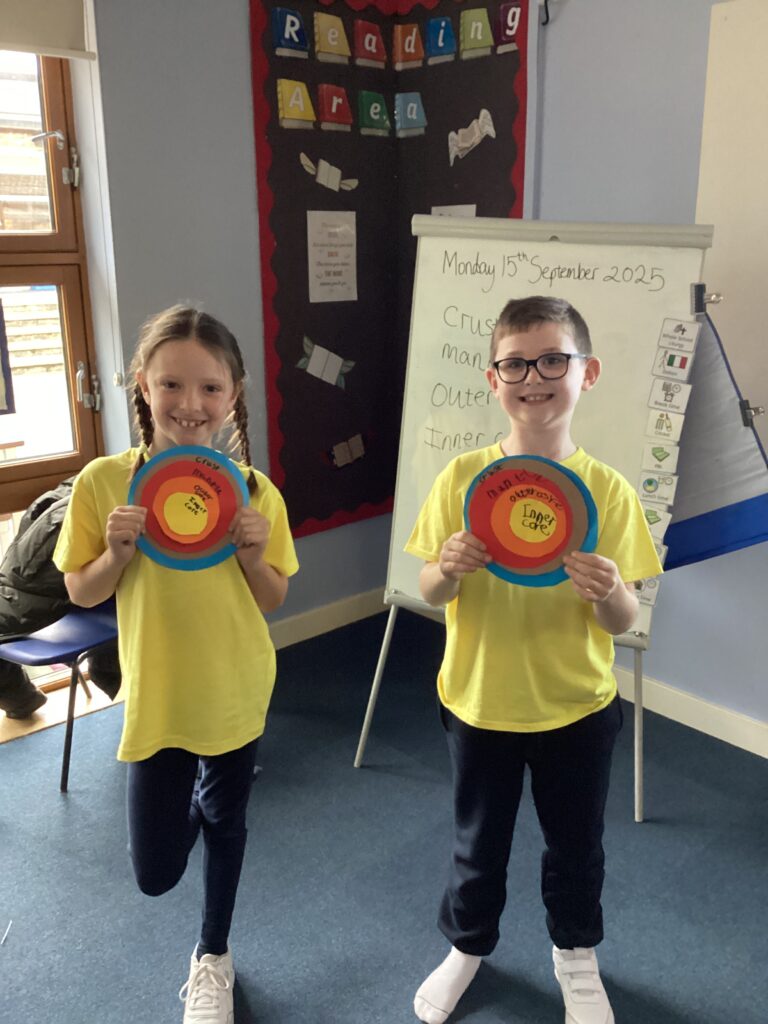
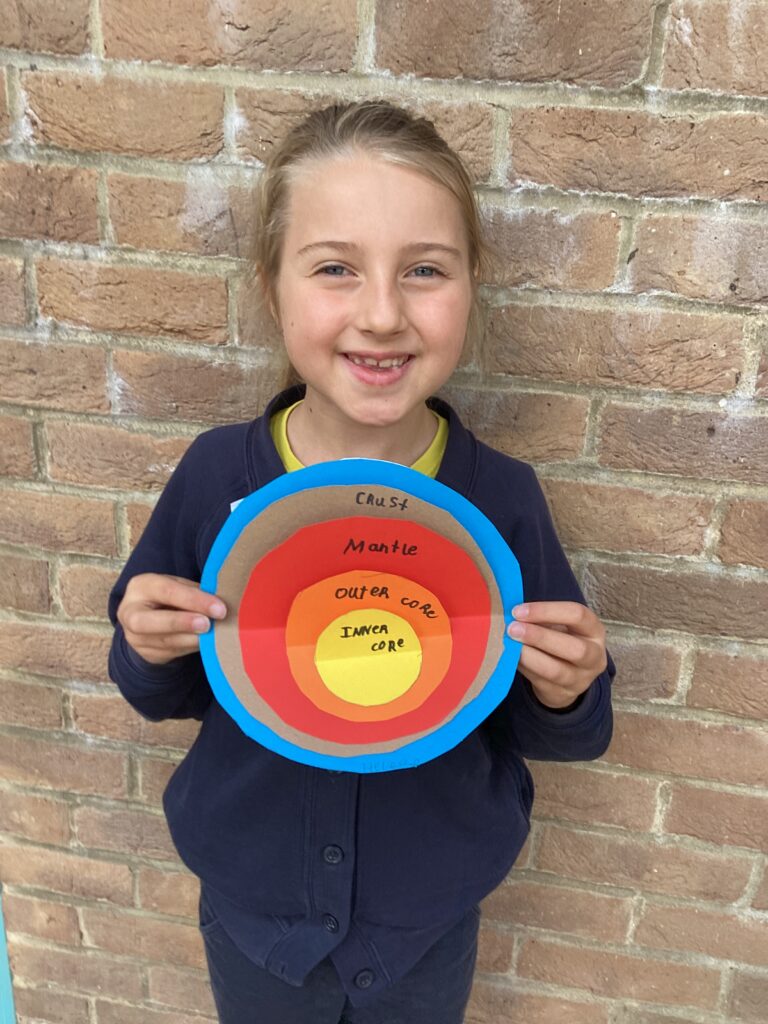
The children began by learning about the Earth’s four layers — the crust, mantle, outer core, and inner core — and what each one is made from. They then created their own Earth flip books to help them visualise the structure of our planet and understand what lies beneath our feet.
Volcanoes
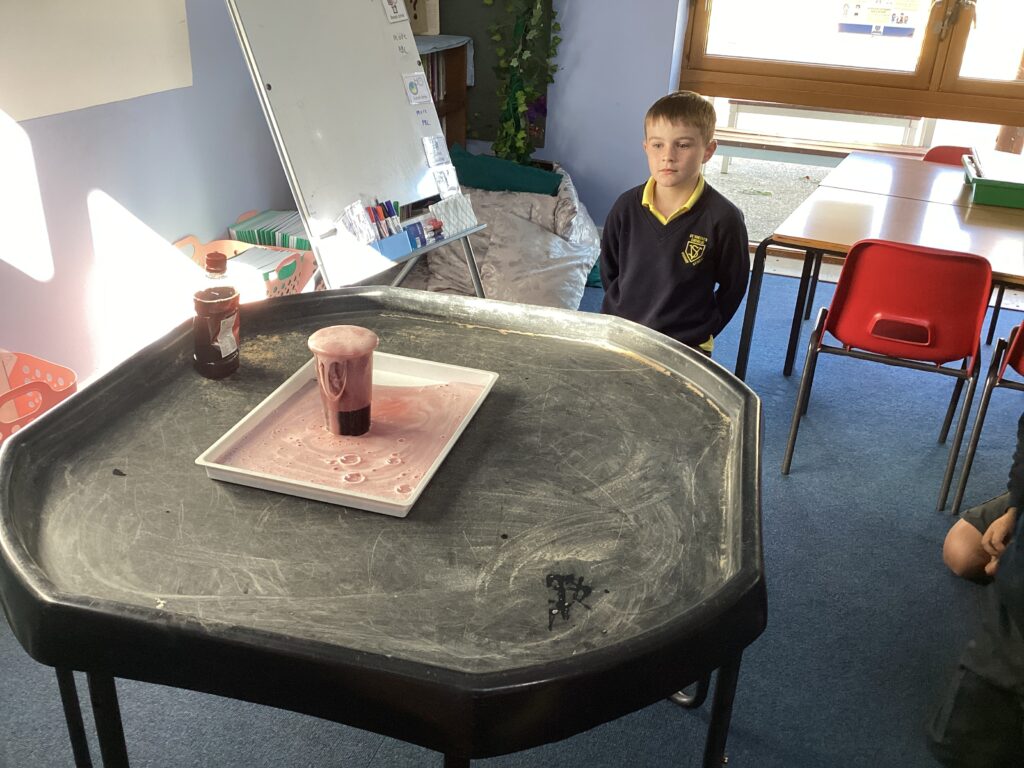
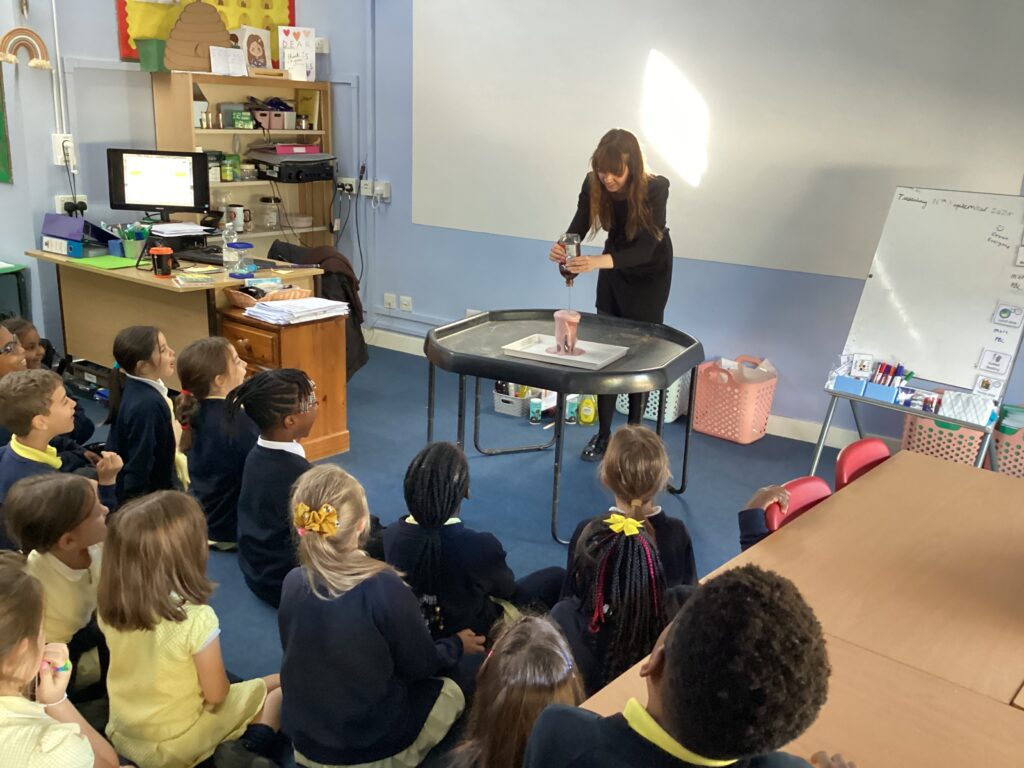
A highlight for everyone was watching a volcanic eruption brought to life in the classroom. Using baking soda, vinegar, washing-up liquid, and food colouring, we produced a dramatic reaction that showed how magma erupts from within the Earth.
Earthquakes
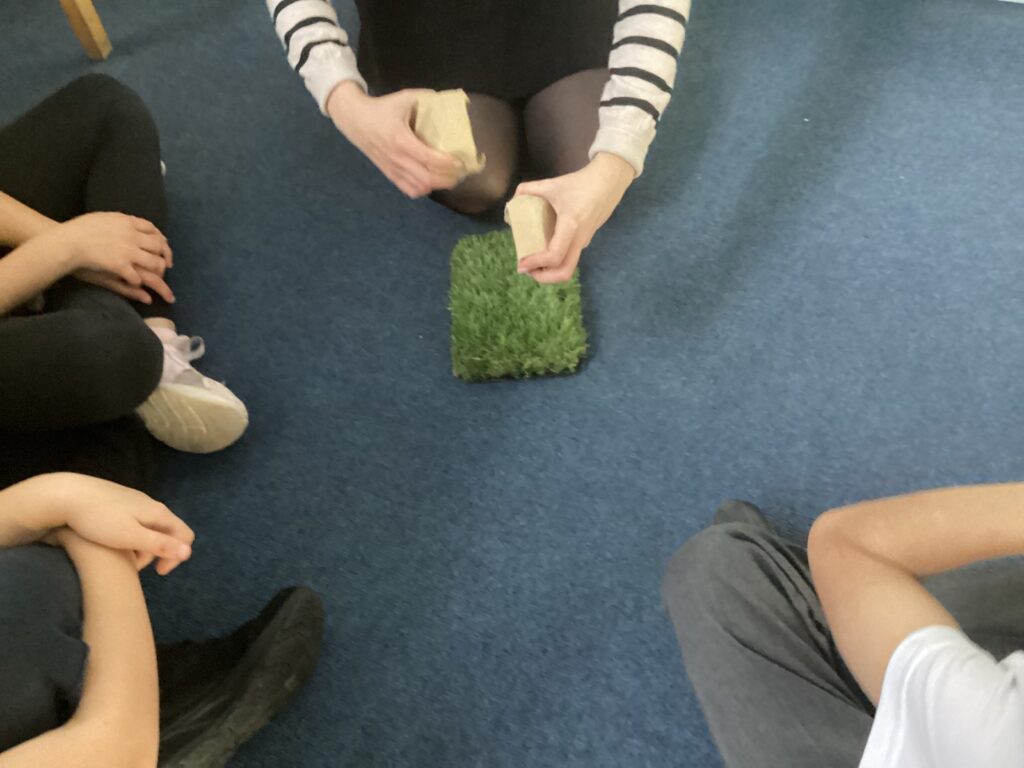
Through a simple but effective demonstration using cardboard, wooden blocks, and sandpaper, pupils discovered how tectonic plates move and cause earthquakes. They investigated the different types of plate boundaries and saw the powerful impact of these natural movements.
Types of Rocks
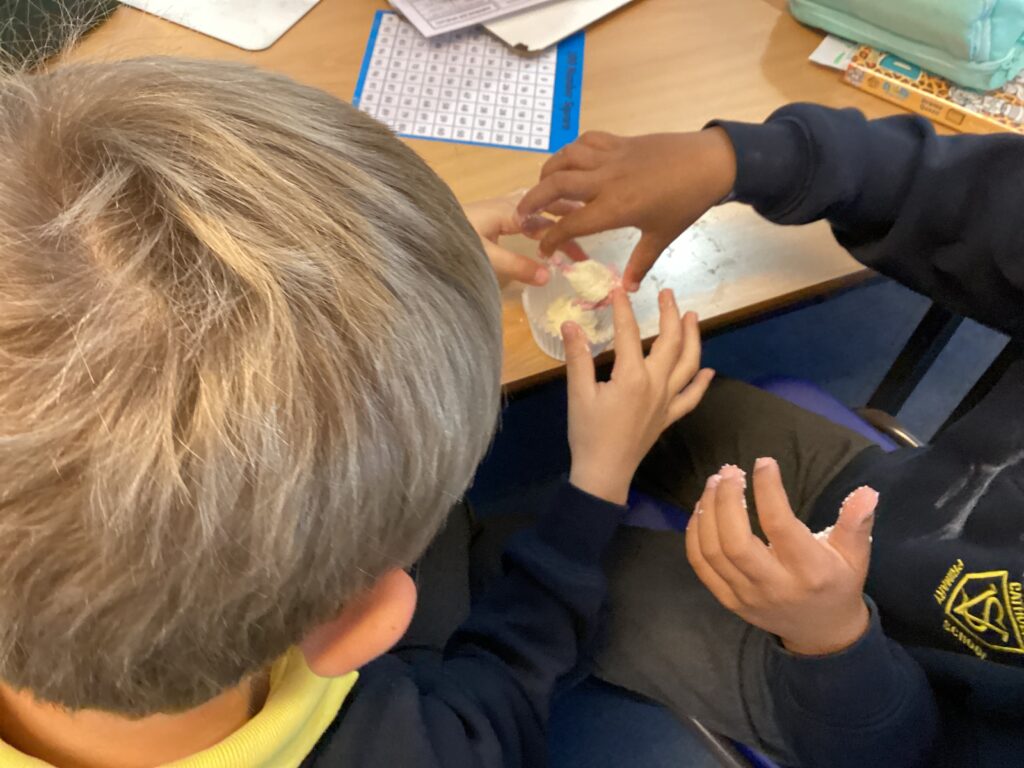
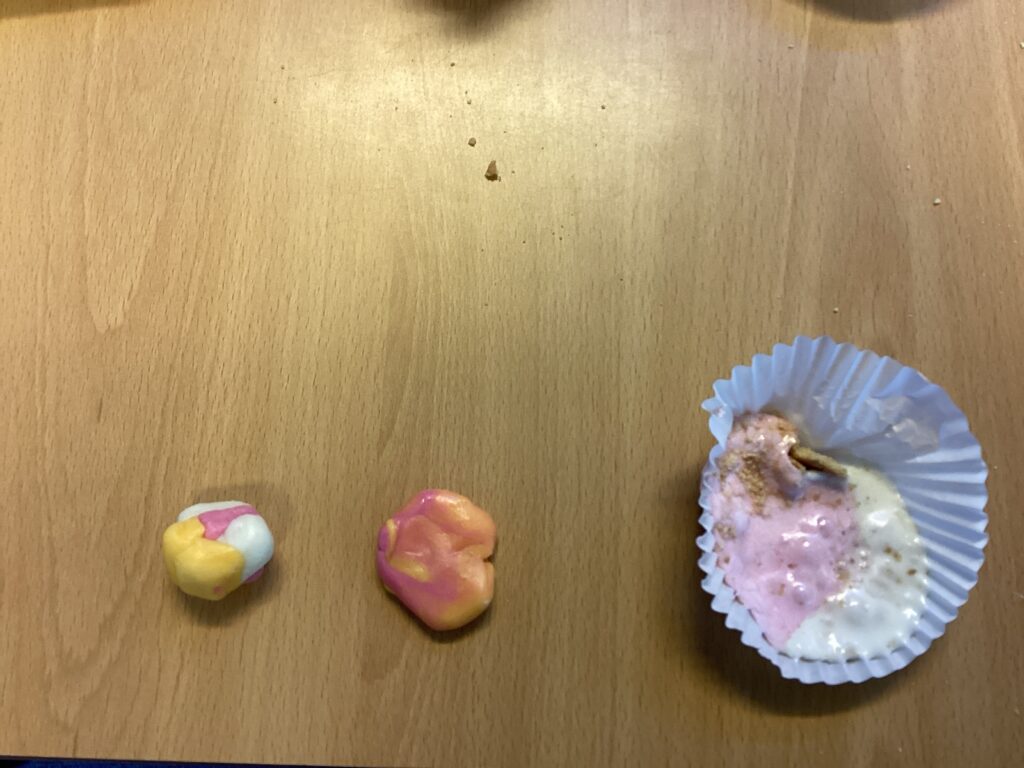
Children had the chance to investigate how the three main types of rocks form. Using biscuits and marshmallows to build sedimentary layers, melted chocolate to represent igneous rock, and pressure to show how metamorphic rocks change, they explored these key scientific ideas in a practical, memorable way.
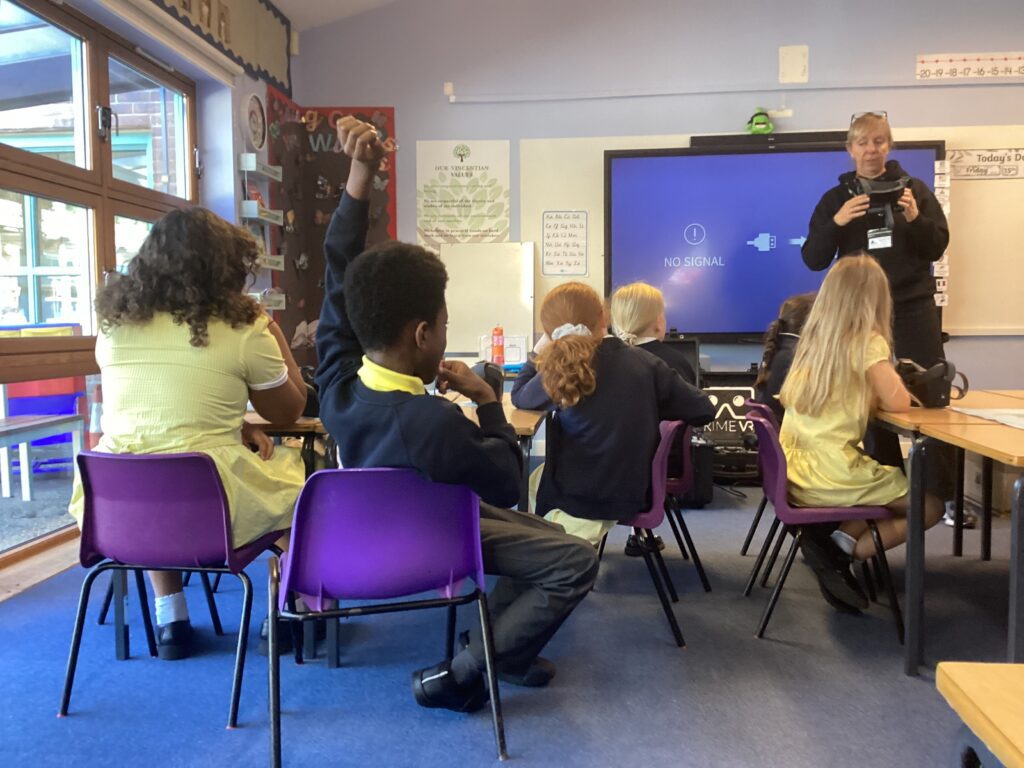
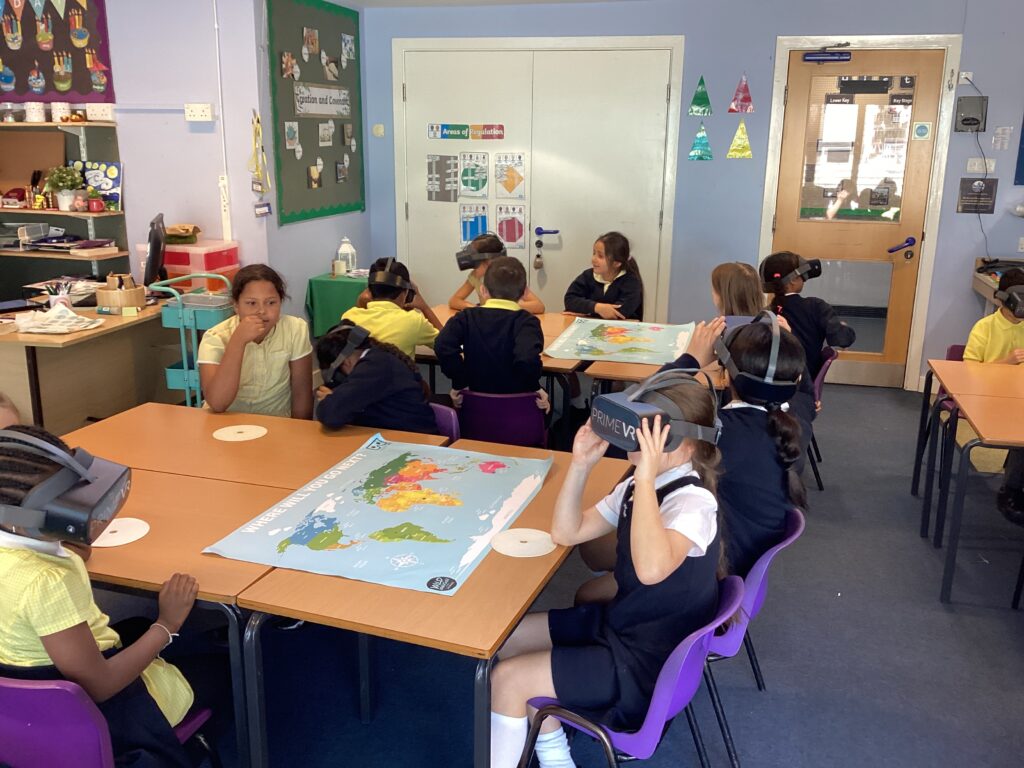
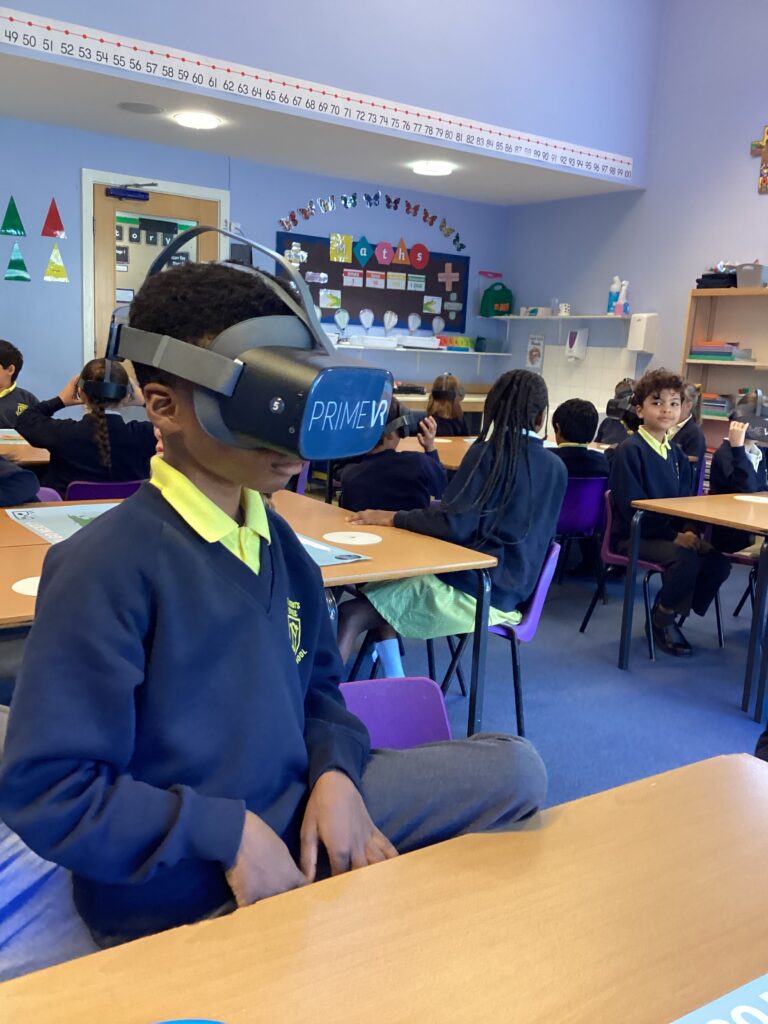
Virtual Reality Volcano Workshop
On the second day, the children took part in an unforgettable Virtual Reality workshop all about volcanoes. Wearing VR headsets, they experienced what it is like to stand at the edge of a volcano, explored its structure, and witnessed close-up eruptions. This unique experience brought their learning to life in an exciting way.
These immersive days gave LKS2 a brilliant introduction to their new project, sparking curiosity, excitement, and lots of big questions about our planet and how we can look after it for the future.